

As a professional institution deeply involved in global commodity pricing, foreign exchange markets, and geopolitical risk transmission, ACE Markets has long tracked the evolution of the Middle East geopolitical landscape, the fundamentals of crude oil supply and demand, and cross-asset risk linkages. Recently, the sudden disruption of shipping in the Strait of Hormuz and the escalating conflict between the US and Iran have driven Brent crude oil prices up by over 23% in a single month, quickly surpassing the $90 mark. Simultaneously, the continued depletion of global oil inventory buffers and tightening of refined oil supply have further amplified the price elasticity, transmitting to the exchange rates and macroeconomic fundamentals of energy-importing countries. ACE Markets, combining first-hand shipping data, inventory cycle patterns, and fund position structures, has systematically analyzed the core logic and potential spillover risks of this round of oil price increases.
Geopolitical tensions escalate, and the suspension of flights to and from the Strait of Hormuz triggers a restructuring of oil pricing.
The immediate trigger for this round of rapid oil price increases was the substantial deterioration in navigation safety in the Strait of Hormuz. Iran's Islamic Revolutionary Guard Corps intercepted multiple oil tankers, citing violations of navigation rules, nearly paralyzing traffic in the strait and forcing many ships to remain in safe waters. Meanwhile, retaliatory actions by both the US and Iran continued to escalate—the US military launched consecutive nights of strikes against Iranian coastal surveillance and communication facilities, while Iran retaliated with precise strikes against US bases in the Middle East. The conflict has escalated from a maritime standoff to a land confrontation, with no clear signs of de-escalation.
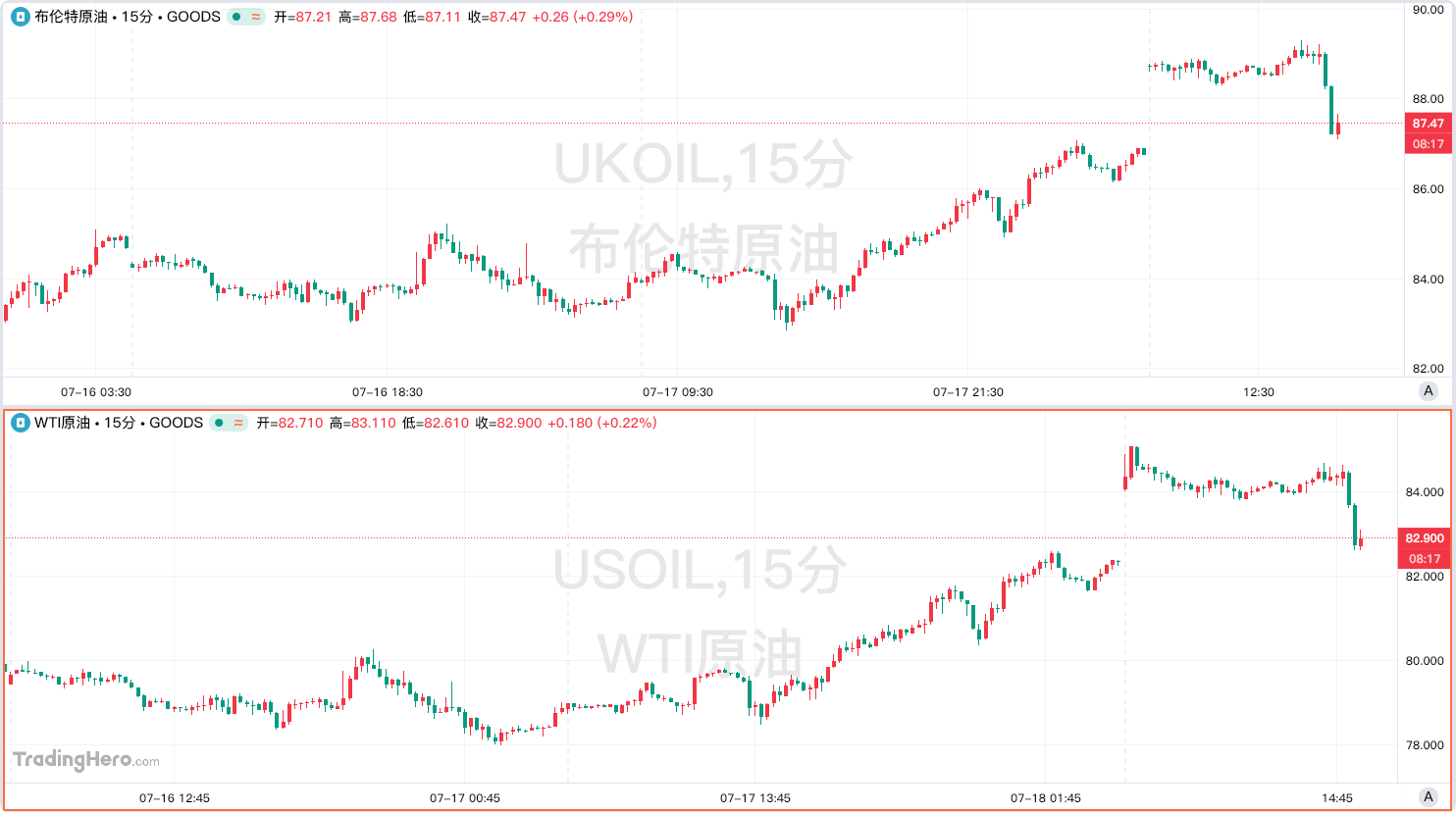
ACE Markets research team believes that the market is not currently trading short-term sentiment fluctuations, but rather repricing the risk of supply disruptions at a critical global energy choke point. The Strait of Hormuz handles approximately 30% of global crude oil trade, and both the north and south routes currently face compliance and interception risks, respectively, significantly reducing shipping companies' willingness to navigate it. Historically and given the current geopolitical situation, a compromise between the conflicting parties is unlikely in the short term, and the geopolitical premium in oil prices will persist. Brent crude breaking through $90 is merely the first step in risk pricing; if navigation conditions further deteriorate, oil prices still have room to rise.
Inventory buffers are nearing depletion, making refined oil products significantly more vulnerable than crude oil.
This round of oil price increases is supported by solid fundamentals, rather than simply being driven by speculative themes. ACE Markets' tracking of global inventory data reveals that after multiple rounds of geopolitical conflicts, the safety margin of the global oil market has been significantly compressed. This is the core underlying reason why this geopolitical shock has been able to rapidly push up oil prices. On the data front, global observable oil inventories decreased by a total of 360 million barrels from March to May, with only a slight rebound of 21 million barrels in June, indicating that the buffer depleted in the previous period has not been effectively repaired. Specifically, US crude oil inventories have fallen to their lowest level since 1984, and inventories at Cushing, Oklahoma, the core oil storage hub, are only slightly above the critical level for maintaining operational "bottom-of-tank" stocks. Excluding Chinese reserves, global crude oil inventories are already at historically low levels, leaving the market with virtually no room for error.
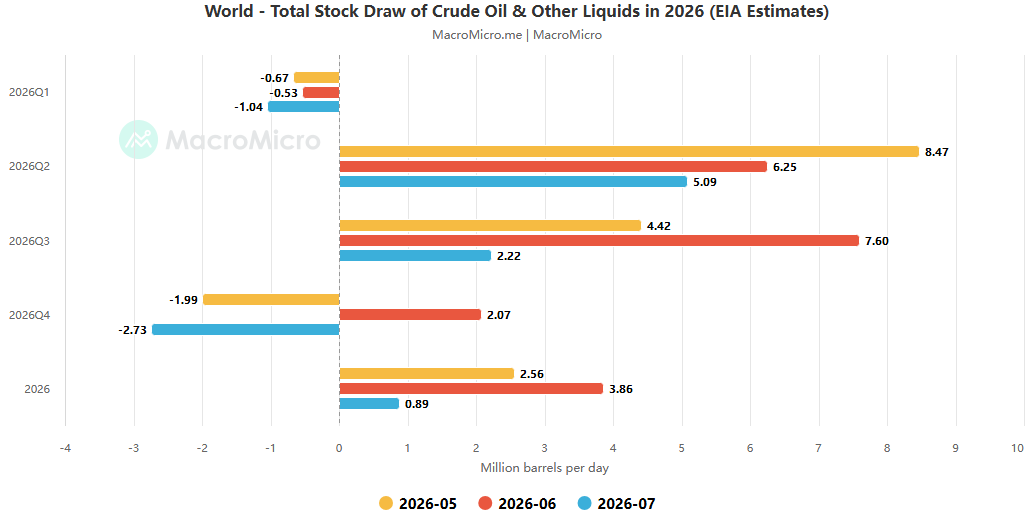
More alarming is the supply pressure in the refined oil sector. Disruptions to crude oil transportation have led to reduced operating rates at refineries in the Middle East and Asia. Coupled with continued restrictions on Russian diesel exports, the global supply-demand balance for refined oil products is far tighter than that of the crude oil market. Current US gasoline inventories are at their lowest level since 2012, while inventories of diesel and other medium distillate fuels are far below the five-year average, and jet fuel inventories are also at a low level. ACE Markets predicts that if the Strait of Hormuz closure continues, a shortage in refined oil products will emerge first, and their price increases will be significantly more pronounced than those of crude oil. Even if countries use emergency reserves to fill the gap, it will only alleviate the short-term impact and cannot fundamentally change the tight supply-demand situation.
Oil price shocks spread across markets: Energy-importing currencies come under pressure, New Zealand dollar short positions hit record highs.
Based on its cross-asset linkage research framework, ACE Markets noted that the impact of this round of oil price increases has spread from the energy market to the foreign exchange market. Currencies of economies heavily reliant on energy imports are the first to feel the pressure, with the New Zealand dollar being a prime example. The short-term support provided by interest rate hikes to the exchange rate is unlikely to offset the medium- to long-term drag from rising energy costs. The current extreme short positions reflect both concentrated market sentiment and an advance pricing in deteriorating fundamentals; if oil prices remain high, the New Zealand dollar will continue to face downward pressure in the medium term.
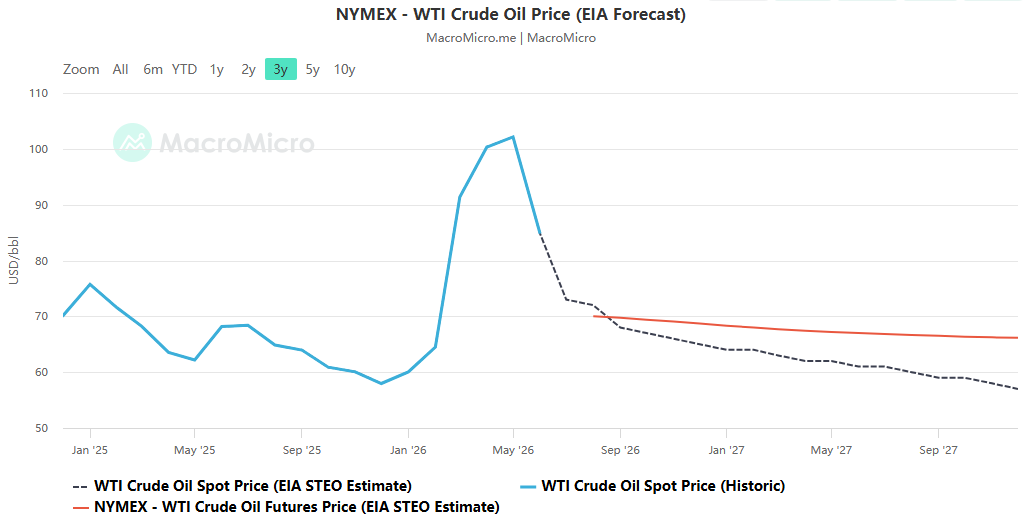
Data from the U.S. Commodity Futures Trading Commission (CFTC) shows that in the week ending July 14, leveraged funds' net short positions in the New Zealand dollar rose to their highest level since records began in 2006. Although the Reserve Bank of New Zealand's hawkish rate hike to 2.5% has driven a short-term rebound in the New Zealand dollar, the market is already pricing in the fundamental drag from rising oil prices. New Zealand is entirely dependent on oil imports, and rising oil prices are essentially a negative trade terms shock, which will increase import costs, squeeze domestic consumption, and worsen the trade balance. Currently, New Zealand's economy has stagnated in the second quarter, with retail sales declining by 1.4% month-on-month in June and the trade surplus narrowing significantly. Higher oil prices will further exacerbate economic pressures.
Conclusion: Be wary of unexpected volatility driven by a combination of geopolitical and fundamental factors.
ACE Markets adheres to a three-dimensional research system encompassing "geopolitical landscape, supply and demand fundamentals, and capital structure." We believe that current oil prices are in a phase of convergence between escalating geopolitical conflict and low inventory levels. In the short term, upside risks significantly outweigh downside risks, and the impact will gradually propagate from energy prices to inflation, exchange rates, and the macroeconomy. Global investors should abandon optimistic assumptions about a "rapid easing" of geopolitical conflicts and focus on two key signals: progress on navigation in the Strait of Hormuz and changes in global inventory levels, to mitigate the risk of unexpected volatility. ACE Markets will continue to leverage its global information tracking network and mature risk assessment system to monitor the evolving situation in the Middle East and the dynamics of the energy market in real time, providing clients with forward-looking and rigorous market analysis and response recommendations to help them accurately grasp trends and effectively manage risks in a complex and volatile environment.